
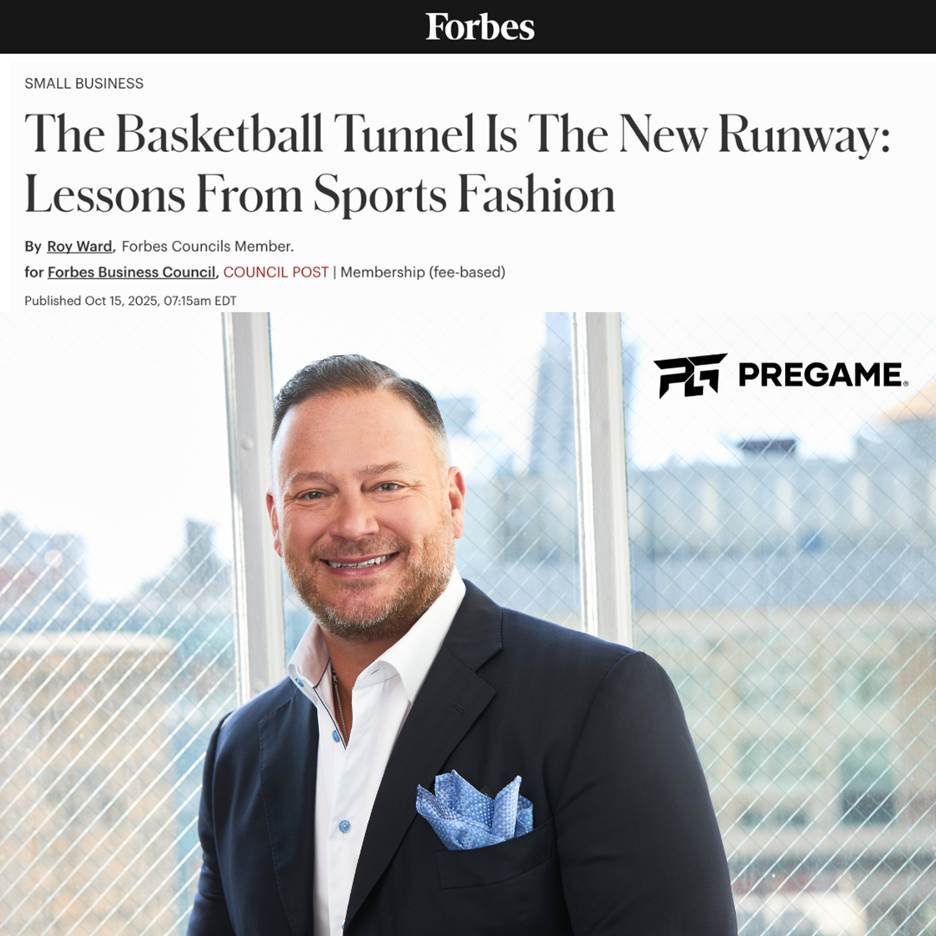
By Roy Ward,
Forbes Councils Member.
for Forbes Business Council COUNCIL POST | Membership (fee-based)
In 2001, Apple launched white earbuds bundled with the iPod, transforming an audio accessory into an instantly recognizable status symbol. Those distinctive white cables became cultural signifiers that identified users as early adopters and tastemakers. This design decision helped Apple capture and maintain market leadership in portable music for over a decade.
In today’s competitive landscape, product aesthetics have evolved from mere window dressing to strategic business assets that drive adoption and transform user behavior. For business leaders, understanding aesthetic impact delivers three key benefits: competitive differentiation, premium pricing power and brand loyalty that transcends functionality.
The Psychology Behind Aesthetic Appeal
The human brain processes visual information remarkably quickly. Research shows consumers can form opinions about websites within 50 milliseconds of visual exposure. This rapid assessment determines whether potential customers feel drawn in or repelled before they’ve consciously evaluated features or benefits.
Similarly, product aesthetics create powerful first impressions that influence purchasing decisions through emotional connection rather than rational analysis. When products are visually appealing, consumers perceive them as higher quality, more valuable and more trustworthy. This “aesthetic-usability effect” explains why well-designed products often command premium pricing even when their functional capabilities match lower-priced alternatives.
How Successful Brands Have Used Aesthetics To Change Industries
To help illustrate this, let’s take a closer look at two aesthetically game-changing products and companies:
Lululemon
When Lululemon entered the athletic wear market in 1998, workout clothing was predominantly loose-fitting, functional apparel worn exclusively in gyms. The company identified an aesthetic opportunity in the growing yoga market, where participants valued both performance and appearance.
Lululemon’s aesthetic innovation centered on fitted silhouettes, premium fabrics with subtle texture variations and strategic logo placement. This aesthetic approach transformed user behavior dramatically. Lululemon’s designs made athletic wear socially acceptable for errands, casual dining and social gatherings—shaping the “athleisure” category that now dominates casual fashion. Their clothing became a lifestyle statement rather than workout gear.
The business impact has been substantial. Lululemon maintains gross margins exceeding 50% and its aesthetic-driven strategy enabled expansion from yoga studios into a global lifestyle brand worth nearly $27 billion. The key lesson: Aesthetic innovation can create entirely new product categories and usage occasions, expanding market opportunity beyond original functional boundaries.
Beats by Dre
Before Beats launched in 2008, the headphone market was dominated by technical specifications and audio engineering brands like Sennheiser and Audio-Technica. Consumers made purchasing decisions based on professional reviews, while aesthetics remained secondary. Beats disrupted this function-focused category by prioritizing style and cultural relevance.
Their oversized, bold designs featured glossy finishes, prominent branding and celebrity endorsements that positioned headphones as fashion accessories. The distinctive “b” logo became instantly recognizable, while the substantial physical presence suggested premium quality and serious bass. This aesthetic strategy transformed headphones from private listening devices into public fashion statements. Beats normalized wearing large headphones in public spaces, creating new behaviors for consumers. Suddenly, headphones became part of personal style expression, worn around necks as accessories even when not in use.
The market impact was extraordinary. Despite mixed reviews from audio purists, Beats captured nearly 70% of the premium headphone market within five years, eventually selling to Apple for $3 billion. Their success proved that aesthetic appeal and cultural resonance often outweigh purely technical advantages. Moreover, it showed that aesthetic disruption can redefine entire product categories by changing how and when consumers interact with products.
The Four Dimensions Of Product Aesthetic Impact
1. Visual Differentiation
Standing out in cluttered markets requires a distinctive design language that creates instant recognition. Oatly’s bold, irreverent packaging design with hand-drawn typography and cheeky copy differentiates plant-based milk from the conservative dairy aisle, signaling innovation. Business leaders should audit their competitive landscape to identify aesthetic opportunities that haven’t been explored.
2. Identity Signaling
Aesthetics enable users to express personal values and affiliations. Consider how your product aesthetics can help customers communicate their identity to others. For example, Patagonia’s outdoor-focused design aesthetic attracts environmentally conscious consumers who want their purchases to reflect their values.
3. Emotional Connection
Design elements create emotional responses that transcend functional benefits. Think of how Airbnb’s warm, inclusive visual identity makes travelers feel welcome and connected to local experiences. In the same way, you can evaluate which emotions your product aesthetics currently evoke and whether they align with desired customer feelings.
4. Functional Suggestion
Aesthetics communicate product benefits without explicit explanation. Dyson’s transparent vacuum components suggest powerful suction and advanced technology, while sleek lines imply ease of use. Ensure your aesthetic choices reinforce rather than contradict your functional value proposition.
Implementation Strategies For Business Leaders
Finding aesthetic opportunities starts with strategic market research. Study how your competitors look and feel, then identify visual areas nobody’s exploring yet—especially ones that align with emerging values or unmet emotional needs. Don’t overlook adjacent industries tackling similar challenges; some of the best breakthroughs come from thoughtful cross-pollination.
Aesthetic consistency across touchpoints amplifies impact exponentially. Your product design needs to work seamlessly with packaging, marketing materials, retail presence and digital touchpoints. When elements don’t align, your message gets diluted and customers start questioning your brand promise.
When updating your aesthetic approach, balance innovation with brand recognition. Go too bold and you’ll alienate loyal customers; play it too safe and you won’t attract new segments. The smart approach is testing changes with target audiences before a comprehensive market rollout.
Remember that aesthetic appeal must complement, not compromise, functional performance. The strategies that truly succeed make products both visually compelling and genuinely better to use without forcing difficult trade-offs.
As markets get more crowded and products start to feel the same, brands need to stand out visually. Smart business leaders who really get the psychology behind what looks good will be the ones grabbing consumer attention, charging premium prices and building brands people actually care about. The white earbuds that once defined a generation have given way to wireless designs, but the lesson remains unchanged: In a world of endless choices, the products that capture our eyes often capture our wallets—and our hearts.